
COE Renewal Guide 2025: Everything You Need to Know

Renewing your Certificate of Entitlement (COE) is one of the most significant financial decisions a Singapore vehicle owner will face. With COE prices at historically high levels, it’s more important than ever to understand your options and make an informed decision.

What is COE Renewal?

When your vehicle’s COE expires after 10 years, you have the option to renew it for either 5 or 10 more years by paying the Prevailing Quota Premium (PQP). The PQP is calculated as the moving average of the last 3 months of COE bidding prices.

5-Year vs 10-Year Renewal: Which is Better?

The choice between a 5-year and 10-year renewal depends on several factors:

  • Vehicle condition: If your vehicle is in excellent condition with low mileage, a 10-year renewal may be more cost-effective.
  • Financial situation: A 5-year renewal has a lower upfront cost, making it more accessible for budget-conscious owners.
  • Future plans: If you plan to upgrade your vehicle in the next 5 years, a 5-year renewal makes more sense.
  • COE price trends: If COE prices are expected to rise, locking in a 10-year renewal at current PQP rates could save money.

How to Renew Your COE

  1. Log in to the OneMotoring portal (onemotoring.lta.gov.sg)
  2. Navigate to “Renew Vehicle” under the “Owning a Vehicle” section
  3. Select your vehicle and choose the renewal period (5 or 10 years)
  4. Pay the renewal fee using the current PQP rate
  5. Your COE will be renewed immediately upon payment

Financing Your COE Renewal

With COE prices exceeding S$100,000 for Category B vehicles, many owners opt to finance their renewal through a bank loan. COE Plus can help you secure competitive financing from our partner banks at rates from 2.28% p.a. flat.

Key Tips for COE Renewal

  • Start planning at least 6 months before your COE expires
  • Get your vehicle inspected to assess its condition before deciding on renewal term
  • Compare financing options from multiple lenders
  • Consider bundling your COE renewal with a new insurance policy for better rates
  • Check if you qualify for any government rebates or schemes

Need personalised advice? Contact COE Plus for a free consultation with our COE specialists.


COE Renewal Calculator

Estimate your renewal cost & monthly repayments

VEHICLE TYPE
COE CATEGORY
RENEWAL TERM
Current PQP (Cat A):
S$126,208
PQP as of Sep 2026 (LTA)
LOAN AMOUNT
S$
INTEREST RATE (% p.a.)
%
LOAN TENURE


[coeplus_cta]

Read More...

5-Year vs 10-Year COE Renewal: Making the Right Choice

[coeplus_ticker]


One of the most important decisions you’ll make when renewing your COE is whether to opt for a 5-year or 10-year renewal. Both options have their merits, and the right choice depends on your specific circumstances.

The Basic Maths

Both options use the Prevailing Quota Premium (PQP) as the base cost. The PQP is the moving average of the last 3 months of COE bidding prices.

  • 5-Year Renewal: PQP Γ— 5 years
  • 10-Year Renewal: PQP Γ— 10 years

Example (Category B, PQP = S$119,000):

  • 5-Year Renewal: S$119,000 Γ— 5 = S$595,000
  • 10-Year Renewal: S$119,000 Γ— 10 = S$1,190,000

When to Choose 5-Year Renewal

  • Your vehicle is older (15+ years) and may have higher maintenance costs
  • You plan to upgrade to a new vehicle within 5 years
  • You prefer lower upfront cost and financial flexibility
  • You expect COE prices to fall in the future
  • Your vehicle has high mileage (200,000+ km)

When to Choose 10-Year Renewal

  • Your vehicle is in excellent condition with low mileage
  • You intend to keep the vehicle for the long term
  • You expect COE prices to rise in the future
  • The cost per year is lower with 10-year renewal
  • Your vehicle is a luxury or classic model with sentimental value

Cost Per Year Analysis

Looking at cost per year helps put the decision in perspective:

  • 5-Year Renewal (Cat B): S$595,000 Γ· 5 = S$119,000/year
  • 10-Year Renewal (Cat B): S$1,190,000 Γ· 10 = S$119,000/year

The cost per year is the same! The key difference is the total upfront commitment and what happens to COE prices in the future.

The PQP Gamble

If you choose a 5-year renewal and COE prices rise significantly in the next 5 years, you’ll pay more for your second renewal. Conversely, if prices fall, you benefit from the lower PQP at the time of your second renewal.

Our Recommendation

For most vehicle owners with cars in good condition, a 10-year renewal offers better value and certainty. However, if your vehicle is showing signs of significant wear or you plan to upgrade soon, a 5-year renewal provides more flexibility.

Use our COE Renewal Calculator to model both scenarios for your specific vehicle category.


[coeplus_cta]

Read More...

Motor Insurance for COE Renewal: What You Need to Know

COE renewal is an excellent opportunity to review and potentially upgrade your motor insurance coverage. Many vehicle owners stick with the same insurer year after year without realising they could get better coverage at a lower price.

Why Review Insurance at COE Renewal?

  • Your vehicle’s value and risk profile changes with age
  • Insurance premiums for older vehicles can be significantly lower
  • New insurance products and features may be available
  • Bundling COE renewal with insurance can unlock special rates
  • Your driving record may have improved, qualifying you for discounts

Types of Motor Insurance

Third Party Only (TPO)

The minimum legal requirement in Singapore. Covers:

  • Damage or injury to third parties
  • Legal liability for accidents

Not covered: Your own vehicle damage, theft, fire

Best for: Older vehicles with low market value

Third Party, Fire & Theft (TPFT)

Covers everything in TPO plus:

  • Fire damage to your vehicle
  • Theft of your vehicle

Best for: Vehicles with moderate value in areas with higher theft risk

Comprehensive

The most complete coverage, including:

  • All TPO and TPFT coverage
  • Own damage (accidents, vandalism)
  • Personal accident coverage
  • Medical expenses
  • Roadside assistance
  • Windscreen coverage

Best for: Vehicles with significant value, including those with renewed COEs

Special Considerations for Renewed Vehicles

After COE renewal, your vehicle is technically “older” but you’ve made a significant financial investment in it. Consider these factors:

  • Agreed value vs market value: For renewed vehicles, agreed value policies ensure you receive a predetermined payout regardless of market depreciation.
  • Workshop clause: Some policies restrict repairs to authorised workshops. For older vehicles, flexibility to use independent workshops can save money.
  • No-claims discount (NCD): Protect your NCD with an NCD protector add-on.


How COEPLUS Can Help

COEPLUS partners with 7+ leading insurers to provide you with competitive motor insurance quotes. We compare policies side-by-side to find the best coverage at the best price β€” completely free of charge.

Get a free insurance quote when you renew your COE through COE Plus.

Read More...

Commercial Vehicle COE Renewal: A Complete Guide for Business Owners

For businesses that rely on commercial vehicles, COE renewal is a critical operational and financial decision. This guide covers everything you need to know about renewing COEs for lorries, vans, pickup trucks, and buses.

Commercial Vehicle COE Categories

Commercial vehicles fall under two COE categories:

  • Category C: Goods vehicles (lorries, vans, pickup trucks) and buses
  • Category D: Motorcycles (including delivery motorcycles)

Current Category C COE Prices

Category C COE prices are currently around S$83,501 (PQP). While lower than passenger car categories, this still represents a significant cost for businesses with multiple vehicles.

Business Considerations for COE Renewal

Fleet Management

For businesses with multiple commercial vehicles, staggering COE renewals can help manage cash flow. Consider:

  • Renewing vehicles in batches to spread the financial impact
  • Prioritising renewal for vehicles in best condition
  • Retiring older, less efficient vehicles instead of renewing

Tax Deductibility

COE renewal costs for commercial vehicles used in business operations may be tax-deductible. Consult your tax advisor for specific advice.

Vehicle Inspection

Before renewing, have your commercial vehicles thoroughly inspected. Consider:

  • Engine condition and remaining useful life
  • Maintenance history and upcoming major repairs
  • Fuel efficiency compared to newer models
  • Compliance with emission standards

Financing Options for Commercial Vehicle COE Renewal

COE Plus offers specialised financing solutions for commercial vehicle fleets:

  • Fleet financing packages: Bulk rates for businesses renewing multiple vehicles
  • Flexible repayment: Structured to match business cash flow cycles
  • Fast approval: Dedicated commercial team for faster processing
  • Competitive rates: From 2.48% p.a. flat for commercial vehicles

Insurance for Commercial Vehicles

Commercial vehicle insurance requirements differ from private car insurance:

  • Goods-in-transit coverage for delivery vehicles
  • Higher liability limits for larger vehicles
  • Driver coverage for multiple drivers
  • Business interruption coverage

How COE Plus Helps Businesses

We offer a dedicated commercial vehicle COE renewal service for businesses:

  • Fleet assessment and renewal planning
  • Competitive financing from specialist commercial lenders
  • Fleet insurance packages
  • Dedicated account manager for businesses with 3+ vehicles

Contact our commercial vehicle team for a free fleet assessment.


[coeplus_cta]

Read More...

PARF Rebate vs COE Renewal: Which Makes More Financial Sense?

When your vehicle’s COE is about to expire, you face a fundamental choice: renew the COE and keep your vehicle, or scrap it and collect the PARF (Preferential Additional Registration Fee) rebate. Here’s a detailed financial analysis to help you decide.

Understanding the PARF Rebate

The PARF rebate is a refund of a portion of the Additional Registration Fee (ARF) you paid when you first registered your vehicle. The rebate amount depends on how old your vehicle is when deregistered:

  • Deregistered at age 5 years: 75% of ARF paid
  • Deregistered at age 6 years: 70% of ARF paid
  • Deregistered at age 7 years: 65% of ARF paid
  • Deregistered at age 8 years: 60% of ARF paid
  • Deregistered at age 9 years: 55% of ARF paid
  • Deregistered at age 10 years: 50% of ARF paid

Note: No PARF rebate is available for vehicles deregistered after 10 years (i.e., after COE renewal).

The Financial Comparison

Let’s compare for a typical Category B vehicle:

Option 1: Scrap and Buy New

  • PARF rebate: ~S$20,000–S$40,000 (depending on original ARF)
  • COE rebate: ~S$60,000 (proportional to remaining COE)
  • Total proceeds: ~S$80,000–S$100,000
  • Cost of new vehicle: S$180,000–S$250,000+
  • Net cost: S$80,000–S$170,000+

Option 2: Renew COE (10 Years)

  • COE renewal cost (Cat B PQP Γ— 10): ~S$1,190,000
  • No PARF rebate (vehicle continues in use)
  • Ongoing maintenance costs
  • Net cost: S$1,190,000 + maintenance

Factors Favouring COE Renewal

  • Your vehicle is in excellent condition
  • The cost of a replacement vehicle is much higher than renewal
  • You’re attached to your current vehicle
  • Your vehicle is a classic or has sentimental value
  • You want to avoid the hassle of buying a new vehicle

Factors Favouring Scrapping

  • Your vehicle has high mileage or significant mechanical issues
  • Maintenance costs are escalating
  • You want a newer vehicle with modern features
  • The PARF rebate is significant
  • You can afford the cost of a new vehicle

Our Assessment

For most vehicle owners, COE renewal is the more cost-effective option, especially if the vehicle is in good condition. The cost of buying a new vehicle (including the new COE) typically far exceeds the cost of renewal.

Use our COE Renewal Calculator to model the numbers for your specific situation, or contact our specialists for personalised advice.


[coeplus_cta]

Read More...

COE Prices 2025: Trends, Analysis & What to Expect

COE prices in Singapore have remained at historically elevated levels in 2025, with Category B prices consistently above S$100,000. Here’s a detailed analysis of the current market and what to expect going forward.

Current COE Prices (April 2025)

  • Category A (Small Cars): S$123,010
  • Category B (Large Cars): S$121,001
  • Category C (Commercial Vehicles): S$83,501
  • Category D (Motorcycles): S$9,290
  • Category E (Open): S$125,002

Key Factors Driving COE Prices

1. Vehicle Population Growth Cap

The LTA limits the growth of Singapore’s vehicle population to 0% (effectively keeping it flat). This means the number of new COEs issued each year is tightly controlled, creating scarcity and supporting high prices.

2. Strong Demand for New Vehicles

Despite high COE prices, demand for new vehicles remains robust, driven by rising household incomes and the desire for newer, more fuel-efficient models.

3. Electric Vehicle (EV) Adoption

The growing popularity of EVs has increased competition for Category A and B COEs, as many popular EV models fall into these categories.

4. Commercial Vehicle Demand

Strong logistics and e-commerce growth has kept Category C (commercial vehicle) COE prices elevated.

Price Outlook for 2025

Based on current trends and LTA’s quota announcements:

  • Short-term (Q2 2025): Prices likely to remain stable or slightly increase due to continued strong demand.
  • Medium-term (H2 2025): Potential for modest price corrections if LTA increases quotas or demand softens.
  • Long-term: COE prices are expected to remain elevated as Singapore maintains its vehicle population cap.

What This Means for COE Renewal

With PQP rates tracking the high bidding prices, COE renewals are more expensive than ever. However, the alternative β€” buying a new vehicle with a fresh COE β€” is even more expensive. For many vehicle owners, renewal remains the more cost-effective option.

Planning Your COE Renewal

Given the current price environment, we recommend:

  1. Start planning your renewal 6-12 months in advance
  2. Lock in financing early to take advantage of current rates
  3. Consider a 10-year renewal if your vehicle is in good condition
  4. Bundle your renewal with insurance for potential savings

Contact COE Plus for a free consultation on your COE renewal strategy.


[coeplus_cta]

Read More...

Electric Vehicles and COE: What EV Owners Need to Know

Singapore’s push towards electric vehicles (EVs) has created new considerations for COE planning. Whether you’re buying a new EV or renewing the COE on an existing one, here’s what you need to know.

Which COE Category Do EVs Fall Under?

EV COE categorisation is based on maximum power output, not engine capacity (since EVs don’t have traditional engines):

  • Category A: EVs with maximum power output not exceeding 97kW (e.g., some BYD models, Hyundai Ioniq 5 Standard Range)
  • Category B: EVs with maximum power output exceeding 97kW (e.g., Tesla Model 3, BYD Atto 3, Hyundai Ioniq 6)
  • Category E: High-performance EVs (e.g., Tesla Model S, Porsche Taycan)

Government Incentives for EVs

EV Early Adoption Incentive (EEAI)

The government has offered various incentives to encourage EV adoption, including rebates on the Additional Registration Fee (ARF). Check the LTA website for the latest incentive schemes.

Road Tax Rebates

EV owners enjoy road tax rebates as part of the government’s push to reduce carbon emissions.

Charging Infrastructure

Singapore is rapidly expanding its EV charging network, with targets for widespread charging availability by 2030.

COE Renewal for EVs

When your EV’s COE expires, the renewal process is the same as for conventional vehicles:

  • Pay the PQP for your vehicle’s COE category
  • Choose between 5-year and 10-year renewal
  • Arrange financing if needed

Special Considerations for EV COE Renewal

Battery Condition

Before renewing your EV’s COE, have the battery health assessed. EV batteries degrade over time, and a battery with significantly reduced capacity may affect the vehicle’s value and your decision to renew.

Battery Replacement Costs

Factor in potential battery replacement costs when deciding on COE renewal. A new EV battery can cost S$15,000–S$40,000 depending on the model.

Technology Obsolescence

EV technology is evolving rapidly. A 10-year-old EV may have significantly less range and fewer features than current models. Consider whether the technology will remain relevant for your needs.

Is COE Renewal Worth It for EVs?

The decision depends on:

  • Battery health and remaining capacity
  • Cost of battery replacement vs. new vehicle
  • Available government incentives for new EVs
  • Your driving needs and range requirements

Get Expert Advice

COE Plus has specialists who understand the unique considerations for EV COE renewal. Contact us for a free consultation tailored to EV owners.


COE Renewal Calculator

Estimate your renewal cost & monthly repayments

VEHICLE TYPE
COE CATEGORY
RENEWAL TERM
Current PQP (Cat A):
S$126,208
PQP as of Sep 2026 (LTA)
LOAN AMOUNT
S$
INTEREST RATE (% p.a.)
%
LOAN TENURE


[coeplus_cta]

Read More...

COE Renewal Loans: How to Get the Best Rate in Singapore

With COE prices exceeding S$100,000 for most categories, financing your COE renewal through a bank loan has become a necessity for many Singapore vehicle owners. Here’s how to get the best rate.

Understanding COE Renewal Loan Rates

COE renewal loans are typically structured as flat-rate loans, where the interest is calculated on the original loan amount throughout the entire tenure. The advertised rate is usually expressed as a flat rate per annum (p.a.).

Example: A S$80,000 loan at 2.8% p.a. flat for 5 years would cost:

  • Total interest: S$80,000 Γ— 2.8% Γ— 5 = S$11,200
  • Total repayable: S$91,200
  • Monthly instalment: S$91,200 Γ· 60 = S$1,520

Current Market Rates (2025)

Based on our partner banks’ current offerings:

  • DBS Bank: From 2.28% p.a. flat
  • OCBC Bank: From 2.38% p.a. flat
  • UOB: From 2.48% p.a. flat
  • Maybank: From 2.58% p.a. flat
  • Finance Companies: From 2.68% p.a. flat

Factors That Affect Your Loan Rate

  • Credit score: A higher credit score (CBS grade AA or BB) typically qualifies you for lower rates.
  • Income: Higher income may qualify you for better rates and higher loan amounts.
  • Existing relationship: Being an existing customer of a bank may entitle you to preferential rates.
  • Loan tenure: Shorter tenures may attract lower rates.
  • Vehicle type: Commercial vehicles may have different rate structures.

Tips to Get the Best Rate

  1. Compare multiple lenders: Don’t accept the first offer. Compare at least 3-4 lenders.
  2. Use a broker: COE Plus can submit your application to multiple lenders simultaneously, saving you time and potentially getting better rates.
  3. Improve your credit score: Pay off existing debts before applying.
  4. Apply early: Don’t wait until your COE is about to expire β€” start the process at least 3 months in advance.
  5. Negotiate: Banks often have room to negotiate, especially for larger loan amounts.

How COE Plus Can Help

COE Plus is a free service that connects you with multiple lenders simultaneously. We submit your application to our panel of 7+ partner banks and finance companies, and present you with the best offers. Our service is completely free β€” we earn a referral fee from the lender, not from you.

Contact us today for a free COE renewal loan consultation.


COE Renewal Calculator

Estimate your renewal cost & monthly repayments

VEHICLE TYPE
COE CATEGORY
RENEWAL TERM
Current PQP (Cat A):
S$126,208
PQP as of Sep 2026 (LTA)
LOAN AMOUNT
S$
INTEREST RATE (% p.a.)
%
LOAN TENURE


[coeplus_cta]

Read More...
Understanding COE Categories: A to E Explained

Singapore’s COE system divides vehicles into five categories, each with its own quota and bidding price. Understanding which category applies to your vehicle is essential for planning your COE renewal.

Understanding COE Categories In Singapore

Category A β€” Small Cars

Vehicles covered: Cars with engine capacity up to 1,600cc AND maximum power output not exceeding 97kW (about 130 bhp).

Examples: Toyota Vios, Honda Jazz, Mazda 2, Volkswagen Polo

Current PQP: Approximately S$121,000

Category A COEs are typically cheaper than Category B, making them popular for budget-conscious buyers. However, the price difference has narrowed significantly in recent years.

Understanding COE Categories

Category B β€” Large Cars

Vehicles covered: Cars with engine capacity above 1,600cc OR maximum power output exceeding 97kW.

Examples: Toyota Camry, Honda Accord, BMW 3 Series, Mercedes C-Class

Current PQP: Approximately S$119,000

Category B is the most popular COE category for mid-size and luxury vehicles. Prices have historically been among the highest due to strong demand.

Understanding COE Categories

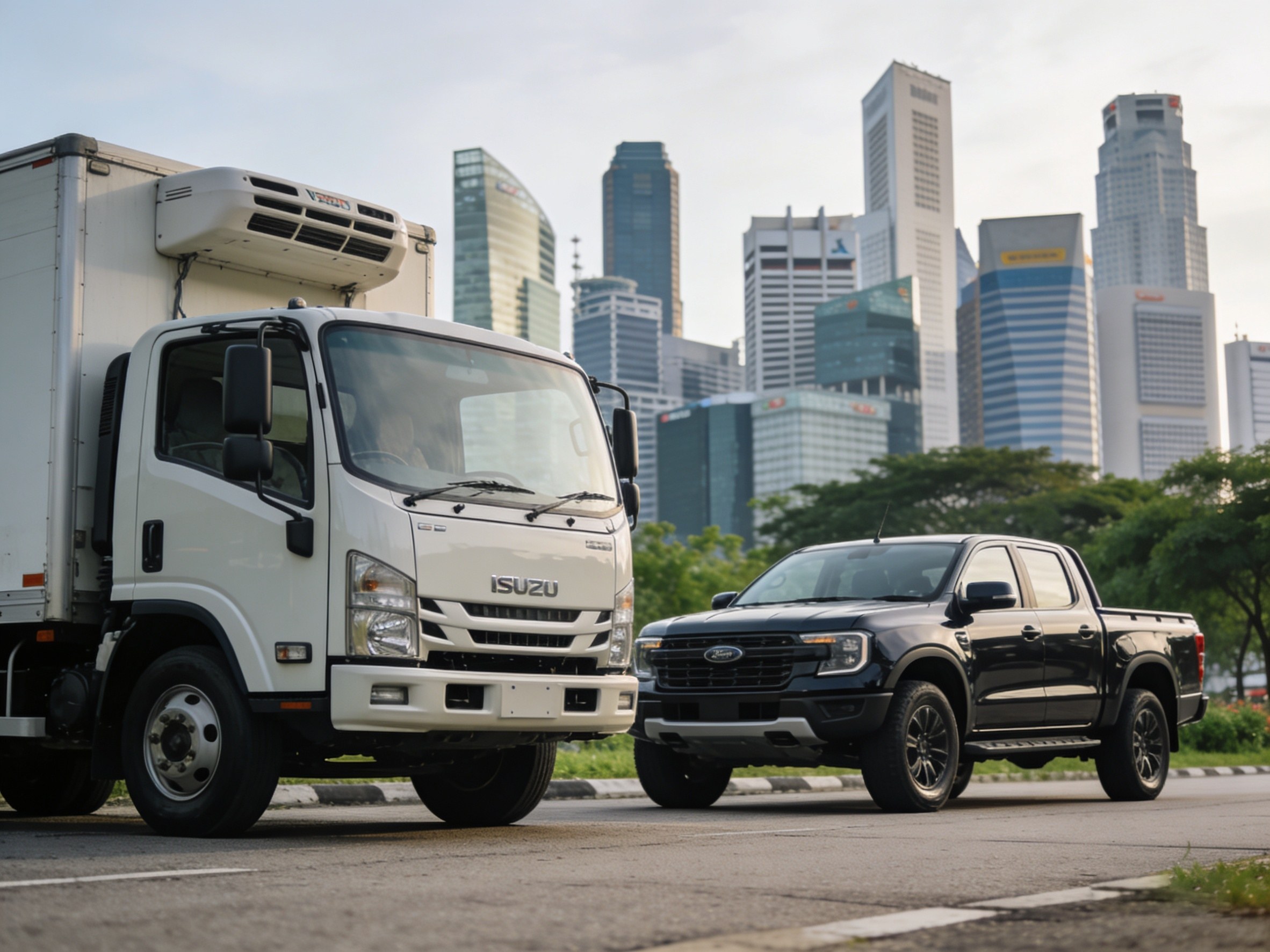
Category C β€” Goods Vehicles & Buses

Vehicles covered: Goods vehicles and buses.

Examples: Lorries, vans, pickup trucks, minibuses, school buses

Current PQP: Approximately S$82,000

Category C COEs are essential for businesses that rely on commercial vehicles. The quota is typically smaller than passenger car categories.

Understanding COE Categories

Category D β€” Motorcycles

Vehicles covered: All motorcycles.

Examples: Honda CB500, Yamaha MT-07, Kawasaki Ninja

Current PQP: Approximately S$9,100

Category D has the lowest COE prices of all categories, reflecting the lower cost of motorcycles compared to cars.

Category E β€” Open (All Vehicles)

Vehicles covered: Any vehicle type β€” the most flexible category.

Current PQP: Approximately S$123,000

Category E COEs can be used for any vehicle type. They are typically the most expensive category due to their flexibility and are often used for luxury or high-performance vehicles that exceed Category B specifications.

Which Category Do I Need?

Your vehicle’s COE category is determined at the time of registration and cannot be changed. When renewing your COE, you will renew in the same category as your original COE.

Use our COE Renewal Calculator to estimate your renewal costs based on your vehicle’s category.


[coeplus_cta]

Read More...

COE Renewal for Commercial Vehicles: A Complete Guide


COE Renewal for Commercial Vehicles: A Complete Guide

Commercial vehicle owners face unique considerations when it comes to COE renewal. Whether you own a single delivery van or a fleet of trucks, understanding the COE renewal process for commercial vehicles is essential for business continuity.

Commercial Vehicle COE Categories

Commercial vehicles in Singapore fall under two COE categories:

  • Category C: Goods vehicles and buses. Current PQP: approximately $81,200.
  • Category D: Motorcycles. Current PQP: approximately $9,100.

Key Differences from Private Car Renewal

  • Commercial vehicles can only be renewed for 5 years (not 10 years)
  • The renewal cost is 50% of the current PQP
  • Business owners may be able to claim the renewal cost as a business expense (consult your accountant)

Fleet Renewal Planning

For businesses with multiple commercial vehicles, staggering COE renewals can help manage cash flow. COE Plus can help you plan and coordinate fleet renewals, potentially securing better financing rates for bulk applications.

Financing Options for Commercial Vehicles

Commercial vehicle COE renewal loans are available from most major banks and finance companies. The terms are similar to private car loans, with loan amounts up to 70% of the renewal cost and tenures up to 5 years.


COE Renewal Calculator

Estimate your renewal cost & monthly repayments

VEHICLE TYPE
COE CATEGORY
RENEWAL TERM
Current PQP (Cat A):
S$126,208
PQP as of Sep 2026 (LTA)
LOAN AMOUNT
S$
INTEREST RATE (% p.a.)
%
LOAN TENURE


[coeplus_testimonials ids=”1,2,12,5,9,16,14,15,11,3″ count=”9″ randomize=”yes”]

[coeplus_latest_coe_prices]

[coeplus_cta]

Read More...

5-Year vs 10-Year COE Renewal: Which is Right for You?

One of the most important decisions when renewing your COE is whether to choose a 5-year or 10-year renewal. Both options have their advantages and disadvantages, and the right choice depends on your specific circumstances.

The Financial Comparison

At current PQP rates for Category A ($119,432), a 5-year renewal costs approximately $59,716 while a 10-year renewal costs $119,432. On a per-year basis, the 10-year renewal works out to $11,943 per year versus $11,943 per year for the 5-year option β€” they are actually the same cost per year at these rates.

When to Choose 5-Year Renewal

  • Your vehicle is already 15+ years old
  • The vehicle has high mileage or significant wear
  • You are considering switching to an electric vehicle in the next few years
  • You want lower upfront costs and monthly repayments
  • You have a commercial vehicle (mandatory for Cat C)

When to Choose 10-Year Renewal

  • Your vehicle is relatively new and well-maintained
  • You plan to keep the vehicle for the long term
  • You want the flexibility to renew again after 10 years
  • The vehicle has sentimental value or is a classic

The Bottom Line

There is no universally correct answer. Use the COEPLUS calculator to model different scenarios and speak to our specialists for personalised advice.

➑️➑️➑️ This article has been updated: 5-Year vs 10-Year COE Renewal: Which Is Right for You?


COE Renewal Calculator

Estimate your renewal cost & monthly repayments

VEHICLE TYPE
COE CATEGORY
RENEWAL TERM
Current PQP (Cat A):
S$126,208
PQP as of Sep 2026 (LTA)
LOAN AMOUNT
S$
INTEREST RATE (% p.a.)
%
LOAN TENURE


[coeplus_cta]

Read More...

Motor Insurance and COE Renewal: Bundle for Better Savings

When you renew your COE, it is also the perfect time to review your motor insurance. Many vehicle owners overlook this opportunity and end up paying more than necessary for their insurance. Here is how bundling your COE renewal with insurance comparison can benefit you.

Why Review Insurance During COE Renewal?

COE renewal is a natural trigger for reviewing all vehicle-related costs. Your insurance premium may have changed significantly since you last reviewed it, and there may be better deals available in the market. COEPLUS makes it easy to compare insurance quotes alongside your COE renewal financing.

Types of Motor Insurance

  • Comprehensive: Covers your vehicle, third-party liability, and personal accident. Recommended for most drivers.
  • Third Party, Fire & Theft: Covers third-party liability plus fire and theft.
  • Third Party Only: Minimum legal requirement.

Our Insurance Partners

COEPLUS works with Singapore top insurers including AXA, NTUC Income, Aviva, AIG, Great Eastern, and Etiqa. We compare their rates and coverage to find you the best deal.

Potential Savings

By switching insurers or updating your coverage, many COEPLUS customers save between $200 to $800 per year on their motor insurance premiums. Over a 5 or 10-year COE period, this can add up to significant savings.


COE Renewal Calculator

Estimate your renewal cost & monthly repayments

VEHICLE TYPE
COE CATEGORY
RENEWAL TERM
Current PQP (Cat A):
S$126,208
PQP as of Sep 2026 (LTA)
LOAN AMOUNT
S$
INTEREST RATE (% p.a.)
%
LOAN TENURE


[coeplus_cta]

Read More...